


SCRUFF
3.99.75K Reviews
App Specs
- Version
- 8.13.2
- Updated On
- License
- Free
- Downloads
- 10,000,000+
- Developer
- Perry Street Software
- Categories
- Social
- Platform
- Android, iOS
Screenshots
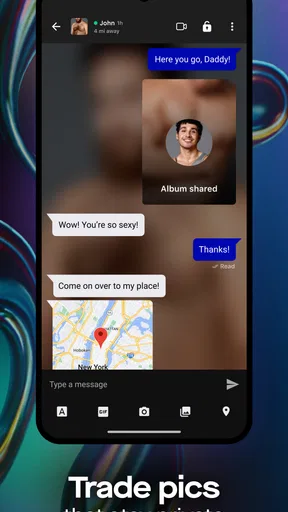
 Analysis by AppCompare
SCRUFF is one of those social apps that makes the most sense when you know what kind of connection you want before opening it. I found it more focused than a general social network, but less formal than a traditional dating service. Its central idea is simple: help gay men chat, discover nearby people, and decide whether a conversation might become a date, friendship, or something more casual. That narrow purpose gives it a clearer identity than many broad social platforms.
After spending time with it, my impression is that SCRUFF works best as a location-aware gay social app rather than a complete dating solution. It can be useful when you are new to an area, traveling, attending an event, or simply looking for people who share a specific community context. At the same time, the experience depends heavily on how active your local area is and how carefully you manage your privacy.
How SCRUFF feels in its current form
The app is developed by Perry Street Software and sits in the social category. It is free to install, with optional in-app purchases ranging from $0.99 to $169.99 per item. Its mature 17+ rating is important because the conversations and profiles are intended for an adult audience, not for casual use by younger teenagers.
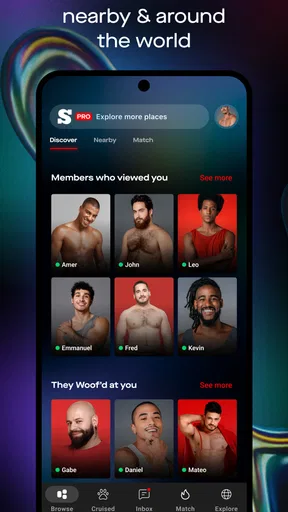
The first thing I noticed is that SCRUFF does not try to hide its purpose behind a general-purpose feed. You are there to meet and communicate with men in a gay social environment. That directness is helpful: there is less guesswork about why someone might be using the app. A profile can signal interest, personality, location, or a desire to talk, and the surrounding community context makes the interaction feel more specific than sending a random message on a mainstream platform.
Its audience is substantial, with more than 10 million installs and an average rating of 3.9 from roughly 118 thousand ratings. Those figures suggest a well-established service with a large enough user base to be relevant in many places, while also showing that it is not universally loved. In my experience, that combination is believable: the app has a recognizable community, but the quality of the experience changes noticeably depending on your city, travel patterns, and expectations.
The current version is 8.13.2, and the app supports devices running Android 7.0 or later. That broad compatibility is useful if you keep an older phone, although the experience still depends on the phone’s performance, screen size, and connection quality. I would not choose an app like this solely because it supports an older operating system, but it does make SCRUFF accessible to more people who are not upgrading their device every year.
Who will get the most from it
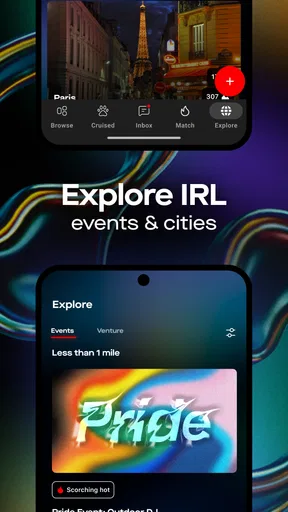
I would recommend SCRUFF first to someone who wants a focused gay social space and is comfortable taking initiative. It is particularly useful for travelers, people who have recently moved, and users who want to see whether a community exists around them before committing to a date. If you are going to a new city, checking the app ahead of time can help you understand whether conversations are active and whether your interests are represented.
Worth Reading Before You Choose

EA SPORTS FC Mobile 26 Is a Bigger Football Game, but It Takes Time

Flipboard Shows What News Apps Must Do Beyond the Feed

Switching to Android Auto Means Rethinking Your Driving Routine

Google Calendar Makes a Crowded Week Easier to Manage

Ludo King Makes the Most of the Minutes Between Plans

Baby Panda World Brings Quick Play to Modern Phones, but Its Game Library Feels Busy
It can also suit someone who wants more than a polished dating profile. The social side matters here. You may be looking for a chat, local advice, a group connection, or a possible date rather than immediately arranging a meeting. That broader range can make the app feel less rigid than services that push every interaction toward a romantic match.
On the other hand, I would not make it my first recommendation for somebody who wants a quiet, highly filtered dating experience with minimal browsing. The app can feel busy, and the amount of choice does not automatically produce better conversations. Users who dislike location-based discovery, quick judgments based on photos, or unsolicited messages may find the format tiring.
A realistic everyday use case
Imagine arriving in a city where you do not know anyone. Instead of opening a general social network and hoping to find the right community, you can use SCRUFF to see who is nearby and start with a low-pressure conversation. A sensible approach would be to update your profile so it clearly says whether you are visiting, looking for local recommendations, open to friendship, or interested in dating. That small detail can prevent a lot of mismatched messages.
I would then avoid sending the same greeting to everyone. A short, specific message based on a visible interest or a shared location is more likely to receive a useful reply. If someone responds, keep the first exchange inside the app until you are comfortable. For a first meeting, choose a public place, tell a friend where you are going, and avoid treating a friendly chat as proof that the person is trustworthy.
This workflow shows the app’s real strength: it reduces the distance between discovering a relevant person and beginning a conversation. Its weakness is equally clear: the app cannot create chemistry where there is no shared effort. You still need to read profiles, communicate clearly, and decide whether the person’s intentions match yours.
What has changed and how that affects users
I see the version number as a sign that SCRUFF remains an actively maintained option, but I would judge its value by whether the app fits the way you actually meet people—not by assuming every update changes the experience. For anyone considering it on a shared device, the more useful next step is to think through account boundaries and everyday privacy before signing in.
Reading the version as part of the product’s evolution
The presence of version 8.13.2 tells me that SCRUFF is a maintained product rather than an abandoned social experiment. That matters for an app built around messaging, profiles, discovery, and changing user expectations. A current release gives existing users a reason to keep checking the app, especially when older installations can become awkward after operating-system updates or changes in how people use mobile services.
However, a version number by itself is not a promise that every part of the experience has been transformed. I would separate the practical evidence from the expectations: the app is still available, actively presented, and compatible with a wide range of Android devices, but users should judge it by the current day-to-day experience instead of assuming that a newer version solves every longstanding frustration.
For existing users, the most meaningful effect of continued development is usually stability and continuity. Profiles remain valuable only when people can access them, conversations remain useful only when messaging feels dependable, and location-based discovery loses its purpose if the interface becomes difficult to navigate. In that sense, ongoing updates support the foundation of SCRUFF even when they do not change the app’s basic identity.
Why the social focus still matters
Many dating alternatives narrow the experience around a fast sequence of profile decisions. SCRUFF has a different balance because its identity includes social discovery and conversation. That makes it a better choice when you want to meet people without defining the relationship immediately. It also gives you more room to look for community, not only a partner.
The trade-off is that broader social intent can create ambiguity. One person may be looking for a serious relationship, another for a casual encounter, and another simply for conversation or local advice. I recommend stating your own goal plainly and asking about the other person’s expectations before investing too much time. The app can bring the right people into the same space, but it cannot remove the need for direct communication.
Compared with a mainstream social network, SCRUFF is more relevant from the start because the community context is explicit. Compared with a highly relationship-focused dating service, it may feel less structured and less predictable. Compared with a purely casual nearby-meetup app, it can offer a wider social range. None of those differences makes it universally better; they simply determine which kind of user will feel at home.
Making the free version work
The free price is a genuine advantage for trying the service without making an immediate financial commitment. I would spend several days using the basic experience before considering any optional purchase. The important question is not whether a paid item exists, but whether it solves a problem you actually have, such as needing more control, visibility, or convenience in your particular routine.
Because individual purchases can reach $169.99 per item, I would be especially careful with the payment screen. Read what an option does, check whether it is a one-time purchase or part of a recurring arrangement, and avoid paying simply because the app feels busy or because you are worried you will miss someone. A paid feature may be worthwhile for a frequent traveler or a highly active user, but it is not automatically good value for someone who opens the app once a month.
A useful free workflow is to keep your profile concise, use recent photos that represent you accurately, and state your location or travel plans when relevant. This reduces repetitive explanations in chat. I also recommend reviewing old conversations and removing contacts who repeatedly ignore boundaries. A cleaner personal routine often improves the experience more than adding another paid option.
Privacy and personal boundaries
Location-based social apps require more thought than ordinary messaging tools. Before starting, decide how much information you are comfortable sharing with somebody you have never met. Avoid publishing details that identify your home, workplace, daily route, or regular schedule. If a profile asks for those details immediately, treat that as a reason to slow down rather than a sign of genuine interest.
Photos deserve the same care. A picture can reveal more than your face, including a street sign, office badge, school logo, or recognizable view from your home. I would use images that show your personality without exposing private information. If the conversation moves elsewhere, remember that a new platform does not make the person more trustworthy; it only changes where the conversation happens.
Another practical tip is to separate enthusiasm from urgency. Someone who pushes for private information, money, explicit material, or an immediate meeting is not respecting your pace. Block or report when appropriate, and do not negotiate with behavior that makes you uncomfortable. This is not a criticism unique to SCRUFF, but the app’s direct, nearby social format makes those boundaries especially important.
Where the experience still has gaps
The biggest limitation is the uneven local population. In a large city or during travel, discovery may feel lively and useful. In a smaller town, you may see fewer relevant profiles, older activity, or conversations that do not lead anywhere. A large global install base does not guarantee that your neighborhood will have the right people online when you are looking.
The second gap is user intent. A focused community does not mean everyone wants the same kind of relationship. You may need several messages to establish whether someone is interested in friendship, dating, a casual meeting, or something else. If you prefer an app that forces clearer matching criteria before conversation begins, another dating service may be more comfortable.
There is also the emotional cost of browsing. Profile-driven apps can encourage snap judgments, repeated rejection, and the feeling that you should always be available. I found it healthier to set a specific time to check messages rather than leaving the app open throughout the day. Turning a social tool into a constant test of popularity can quickly outweigh its benefits.
People looking for a completely private, invitation-only community should probably skip it. So should anyone who does not want location to influence discovery or who dislikes initiating conversations. SCRUFF is most rewarding when you accept that it is an active social environment, not a passive service that quietly finds a perfect match for you.
What I would watch going forward
For future use, I would pay attention to how the app balances discovery with user control. A strong update should make it easier to understand why a profile appears, manage unwanted contact, and keep personal information private without making the community feel empty. Those improvements would matter more to me than cosmetic changes.
I would also watch whether the experience remains welcoming to different types of users within the gay community. A social app becomes more useful when it supports varied ages, backgrounds, body types, relationship goals, and levels of openness. That does not mean every interaction will suit everyone, but the environment should leave room for people who are not chasing the same narrow ideal.
Finally, I would judge optional purchases by whether they offer clear, understandable value. Since the app is free to start, users should be able to explore its basic character before spending money. If the paid layer becomes too central, occasional users may feel excluded; if it remains optional and transparent, frequent users can decide whether extra convenience is worth it.
My final recommendation
I came away viewing SCRUFF as a practical, established choice for gay men who want a dedicated social and dating environment with a strong nearby-community angle. It is especially useful for travel, relocation, meeting people outside your existing circle, and starting conversations that do not need to become a date immediately.
I would recommend trying the free version first, writing a profile that explains your intentions, and setting firm privacy boundaries before becoming active. Give the app a fair chance in the places and times when you actually expect to meet people. If the local community is quiet or the browsing style makes you uncomfortable, another service with a different matching model may suit you better.
My honest verdict: SCRUFF is worth installing if you want focused gay social discovery and are willing to participate actively. It is not a magic shortcut to meaningful connections, and its value can vary sharply by location, but its clear community purpose gives it a useful place among mobile dating and social apps.
Pros
- Large LGBTQ+ community with users in many cities worldwide.
- Detailed profiles help filter matches by interests
- tribes
- and relationship goals.
- Useful travel features for discovering local users and events.
- Video profiles and messaging make conversations more engaging.
- Strong privacy controls
- including profile visibility and blocking options.
Cons
- Many useful filters and features require a paid subscription.
- The app can feel heavily focused on dating and casual encounters.
- Some profiles may be inactive
- incomplete
- or slow to respond.
- Location-based matching may raise privacy concerns for some users.
- Advertising and promotional prompts can interrupt the browsing experience.
FAQs for SCRUFF
What is SCRUFF used for?
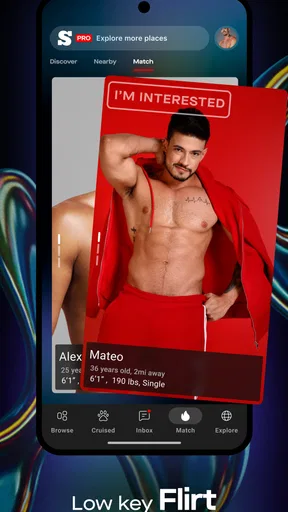
SCRUFF is a social and dating app designed primarily for gay, bisexual, trans, and queer men. It allows users to create profiles, browse nearby or worldwide members, exchange messages, share photos, and discover community events. The app can be used for dating, friendships, networking, travel connections, or casual conversations, depending on each user’s preferences and intentions.
Is SCRUFF free to download and use?
SCRUFF can generally be downloaded for free on Android and iOS, and the free version provides access to core features such as profile creation, browsing, messaging, and community discovery. However, some advanced tools may require a paid subscription or optional in-app purchases. Before subscribing, review the current pricing, renewal terms, and available features in your app store.
Is SCRUFF safe and private?
SCRUFF includes privacy and safety features intended to help users control their experience, such as profile settings, blocking, reporting, and options for managing visibility or location-related information. Nevertheless, users should avoid sharing sensitive personal details too quickly, verify identities before meeting, and use caution with links, requests for money, or suspicious profiles. No dating platform can guarantee complete safety.
Does SCRUFF show my exact location to other users?
SCRUFF uses location information to help display nearby profiles and improve local discovery, but users should carefully review the app’s location and privacy settings because visibility can depend on the selected options and device permissions. It is wise to disable unnecessary location access, avoid revealing precise addresses in conversations, and remember that distance estimates may not always be exact.
Can I use SCRUFF while traveling or to meet people in other cities?
Yes, SCRUFF is useful for connecting with members outside your immediate area, making it popular with people who travel or plan to visit another city. You may discover local users, community events, and travel-related connections before arriving. Keep in mind that some travel or browsing features may be limited in the free version, and interactions still depend on local availability and user activity.


